Menopause In The Workplace

You’re Not Alone
Menopause is a natural part of life, but in the workplace, it can sometimes feel like you’re navigating it alone. Fatigue, brain fog, or sudden temperature changes can make even the most confident professional doubt herself. But here’s the truth: you’re capable, experienced, and resilient. With the right tools and small adjustments, you can feel more comfortable, confident, and in control at work.
This guide brings together simple, practical steps to help you manage common menopause symptoms in your professional life, while nurturing your wellbeing and protecting your confidence.
 Sleep & Night Sweats

Rest is the foundation of focus, mood, and confidence. If you’re struggling with poor sleep or waking drenched from night sweats, small changes can make a big difference.
Create a soothing evening routine by dimming lights, switching off screens at least an hour before bed, and allowing yourself to unwind. Your body needs cues to slow down after busy days.
Keep your bedroom cool and breathable, lightweight bedding, cotton sheets, and even a small fan or cooling pillow can help prevent overheating. Try reducing alcohol and caffeine later in the day, as both can trigger night sweats and disrupt sleep quality. A restful night helps you show up as your best self.
 Brain Fog & Concentration
Brain fog can leave you second-guessing yourself or struggling to recall details, but it’s not a sign of losing ability, it’s your body adjusting to hormonal shifts.
To stay sharp, break tasks into smaller, manageable steps. Use digital tools or sticky notes as prompts, and keep an easy-to-view list of daily priorities. Schedule high-focus work for the times when your energy feels strongest, often mid-morning for many women.
Remember, clarity returns with rest, hydration, and balance. Be kind to yourself and celebrate progress, not perfection.
 Mood Changes & Anxiety

Fluctuating hormones can heighten emotions, spark irritability, or trigger anxiety, especially under workplace pressures.
When tension rises, pause for a few slow, deep breaths. Even two minutes of mindful breathing at your desk can reset your mood. Moving your body daily, whether through a brisk walk, stretching, or dancing, releases endorphins that lift and stabilise emotions.
Journalling helps you notice patterns in your mood and spot triggers. And remember, seeking support shows strength. Reach out to trusted colleagues, HR, or support networks. You don’t have to manage this alone.
 Joint Pain & Stiffness
Aching joints or stiffness can make sitting at a desk or moving around the office uncomfortable. Keep your body supple by stretching regularly , even standing and rolling your shoulders every hour helps.
Hydration plays a bigger role than many realise and dehydration can worsen aches. Keep water at your desk and sip often.
Incorporate light strength training, such as resistance bands or bodyweight exercises, to protect joints and maintain flexibility. Regular, gentle movement helps you stay strong and comfortable throughout your day.
 Work & Career Confidence
Confidence may fluctuate when symptoms affect focus or energy, but your experience and value remain constant.
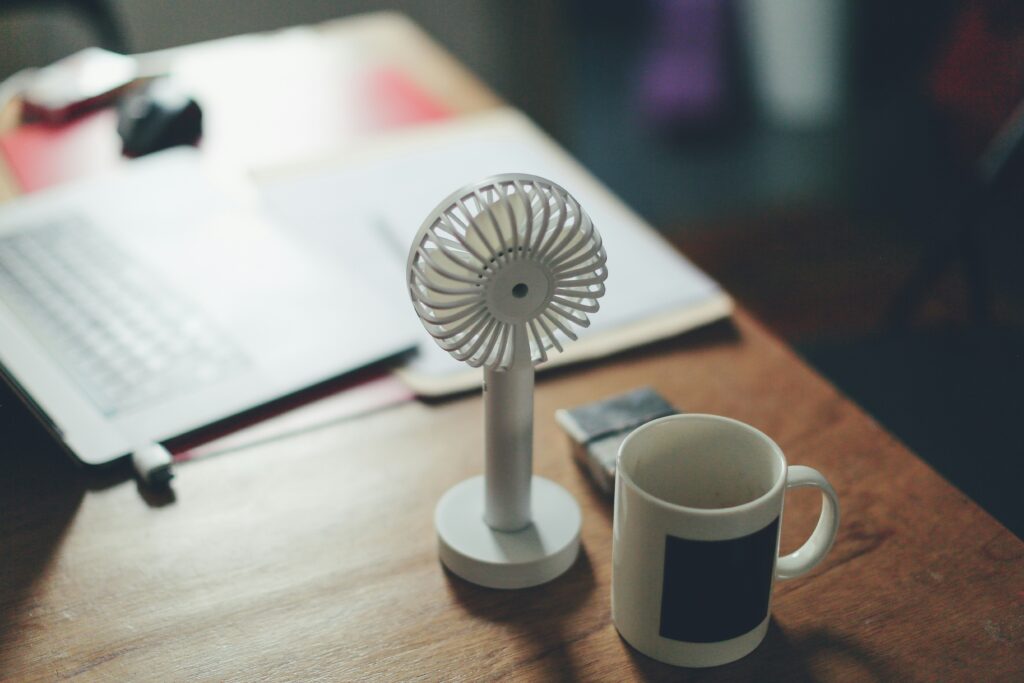
If symptoms impact your workday, consider having open conversations with your manager or HR about small adjustments, flexible hours, a desk fan, or quiet space can make a world of difference.
Prepare brief notes or talking points for meetings if memory slips are common. And explore workplace wellbeing resources like Employee Assistance Programmes or occupational health services. Confidence isn’t about never struggling; it’s about knowing how to support yourself when you do.
 Lifestyle & Self-Care
Your daily choices can ease symptoms and nurture resilience. A balanced diet rich in protein, calcium, and omega-3’s supports your bones and brain.
Stay hydrated and carry a refillable bottle with you. Reducing sugar and processed foods helps stabilise energy and mood, fewer spikes mean fewer crashes.
Most importantly, protect your energy. Setting boundaries and learning to say no when you’re stretched too thin is an act of self-respect, not selfishness. Your wellbeing matters, both in and out of work.
 You Deserve to Thrive
Menopause is a new chapter, one that can bring strength, wisdom, and a deeper connection to yourself. With awareness, self-compassion, and small daily actions, you can navigate it with confidence and grace.
 Next Steps
Want more in-depth strategies to feel confident and capable at work through menopause?
 Download your free guide: “How to Stay Confident at Work During Menopause”.
Book your Confidence Coaching Call to receive tailored support and practical tools to help you thrive.